全球足球联赛本土U21球员出场时间占比排名:澳超榜首(澳超居首:全球联赛本土U21出场时间占比榜)
路径
news/2026-03-08-news-18977
更新时间
2026-03-08

Evaluating youth development in leagues
I'm thinking about reasons for youth talent development, like smaller squads and a cap/quota system encouraging local youth minutes. The transfer market also helps young Australians, and there's less relegation pressure which allows for development freedom.
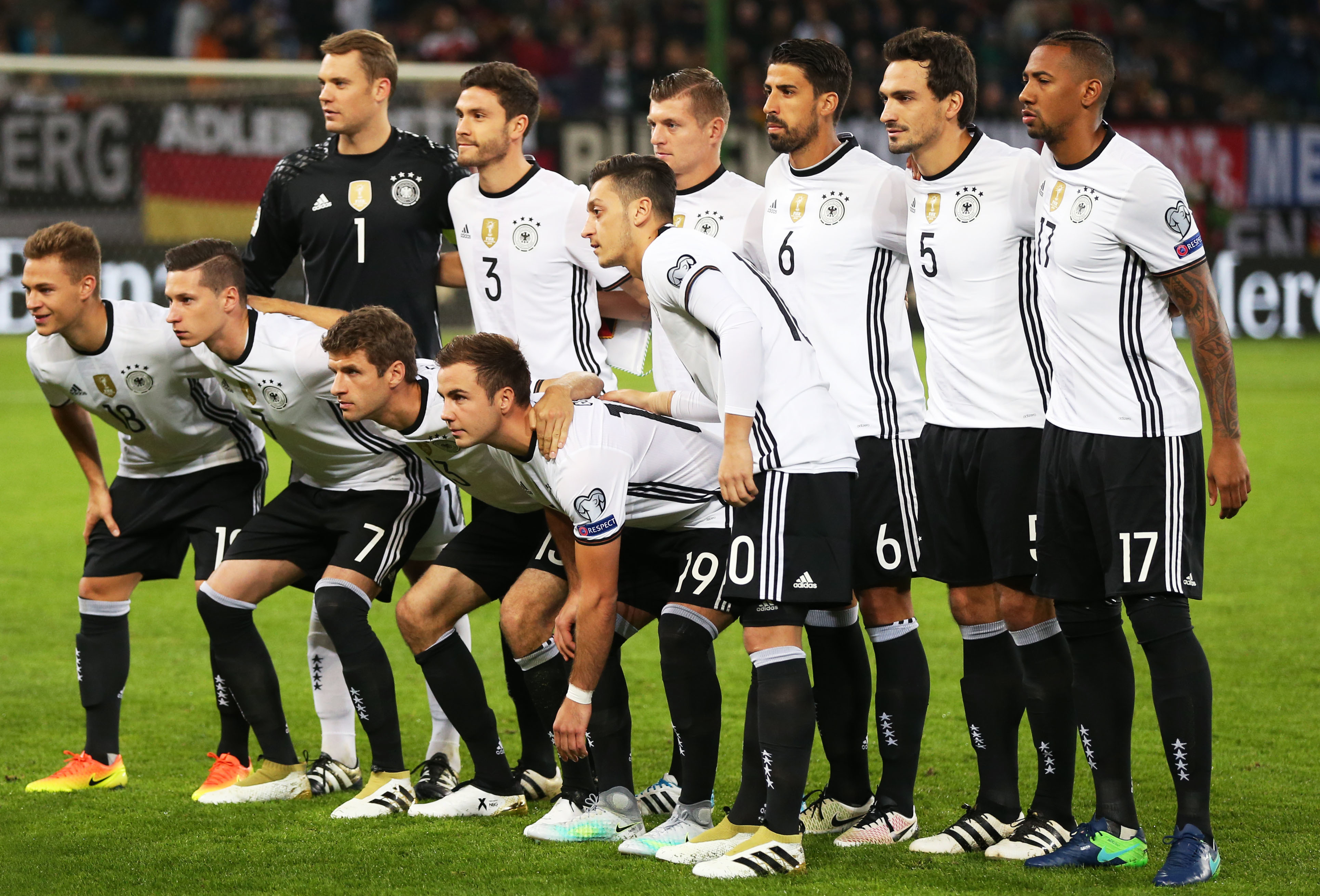I'll notice that compared to other regions, Latin American and Nordic leagues show a higher trend, while the Big Five leagues are lower.
I should ask the user what they want: a top-20 ranking, comparisons, or trends over the years. We can keep it concise with 4-6 bullets and mention we could fetch the latest numbers if necessary.
你是想看这条榜单的具体数据,还是要一个解读/对比?
几点关键信息与背景先给你:
- 该类排名多由 CIES Football Observatory 等统计,口径通常是“本土+U21”的联赛总出场时间占比(按分钟)。
- 澳超(A-League Men)位居榜首的常见原因:工资帽与外援名额限制提升本土年轻人出场;无升降级减轻保级压力,教练更敢用新秀;联赛作为“外销平台”,年轻球员获得稳定曝光后输出欧洲/亚洲。 
- 对比趋势:拉美与北欧/中小欧洲联赛占比较高;五大联赛整体偏低(法甲在五大里通常相对靠前,英超/意甲偏低)。
- 指标解读要点:确认“本土”定义(国籍 vs 受训)、赛季时间点、样本阈值(最低分钟数/比赛数),否则不同榜单数字不可直接横比。
如果你需要,我可以:
- 列出最新前10联赛与占比数值并给差异点注释;
- 专门对比五大联赛排名与原因分析;
- 盘点澳超近几个赛季的变化趋势和代表性俱乐部/球员;
- 画个小图(柱状/雷达)用于分享。
告诉我你要哪个版本,或贴下你看到的来源/时间范围,我按同口径把数据对齐给你。